Tech weakness, AI funding concerns and US midterms set the tone for markets
Global markets at a glance
Here is how the main equity markets traded over the last session and into this morning.
Asian markets slip as Australia raises rates again
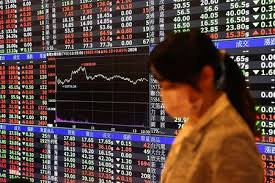
Trading across Asia this morning was uneven. South Korea’s KOSPI dropped by more than 3% and China’s Shanghai Composite slipped 0.8%, while Hong Kong, India and Australia posted small gains. The cautious mood followed the tech-driven losses on Wall Street, as investors took a harder look at the size of AI investment and the returns it may eventually deliver.
In Australia, the Reserve Bank raised interest rates by 25bps to 4.85%. This is its fifth hike of the year and underlines how stubborn inflation remains.
US futures point to a cautious open
Futures pointed to a hesitant start in New York. S&P 500 futures were 0.1% lower, Nasdaq 100 futures were little changed and Dow Jones futures were down 0.4%. Tech stocks stayed under pressure after Apple issued an outlook that fell short of expectations, and investors also adjusted positions ahead of the US midterm elections. While politics may sway sentiment in the short term, earnings, economic fundamentals and the outlook for interest rates remain the more important drivers of equity performance.
Wall Street ends mixed ahead of the midterms
US stocks finished Monday’s session mixed. The Dow Jones rose 0.4%, while the S&P 500 lost 0.5% and the Nasdaq fell 1.0%. Technology was again the weakest area, as investors questioned whether AI infrastructure spending, increasingly funded through borrowing, can be sustained.
Oracle shares dropped by almost 9% after the company said it plans to raise $20bn through a mix of debt and equity. Marvell Technology lost 13% and Lumentum 18% after Marvell announced a proposed $115bn takeover of Lumentum. Cyclical areas of the market held up better, with consumer discretionary, industrials and materials outperforming. The pressure on tech follows a tough October, during which the Nasdaq shed more than 5%.
European shares reach an eight-week high
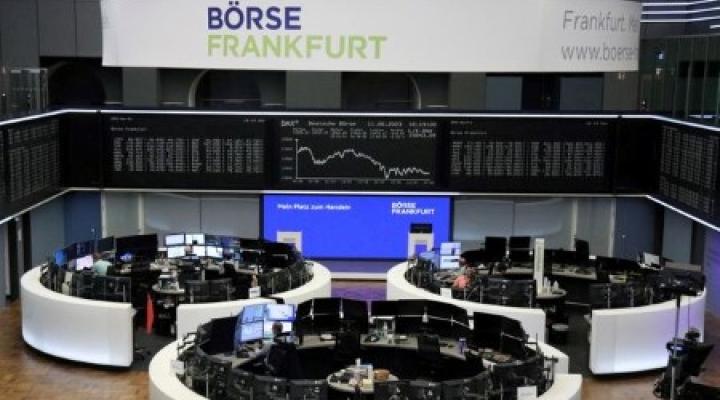
European markets moved higher, with the Stoxx 600 adding 0.5% to close at its highest level in eight weeks. Fresh diplomatic contact between the US and Iran initially calmed geopolitical worries, lifting travel and leisure, construction and mining stocks, while energy shares lagged. Significant weakness in individual companies held back the broader gains, most notably Alstom, which plunged more than 25% after cutting its guidance for the second time.
Bonds, currencies and commodities
Treasury yields ease as oil drops
US government bond yields fell. The 10-year yield dropped 4.9bps to 4.88% and the 30-year yield fell 5.7bps to 5.25%. The move was driven by a sharp decline in oil prices on hopes of diplomatic progress in the Middle East, which could ease inflation pressure further ahead. The 2-year yield was little changed at 4.58%.
US manufacturing data remained encouraging. The ISM Manufacturing PMI climbed to 55.5 in October from 54.5, signalling continued expansion and firm domestic demand.
Dollar steady as oil swings on Middle East news
The US dollar was largely stable, with the dollar index slipping 0.1% to 101.75. The euro rose 0.3% to $1.1191.
Oil fell steeply at first after Iran signalled it was more open to peace talks. Prices later recovered during the Asian session following reports of a US strike on Iran’s Qeshm Island. The rebound is a reminder of how fragile diplomatic progress remains and how exposed oil supply through the Strait of Hormuz still is.
Corporate news and investment implications
Apple and Palantir report strong results but shares slip
Both Apple and Palantir delivered strong quarterly numbers, yet the share price reactions show how high market expectations have become. Apple beat forecasts for both earnings and revenue, helped by a 17.5% rise in iPhone sales. Even so, its shares dropped about 3% in after-hours trading as investors focused on higher memory costs, supply constraints and gross margin guidance that came in below expectations.
Palantir grew revenue by 96% to $2.31bn, posted adjusted earnings of $0.44 per share and lifted its full-year revenue forecast. Its shares also fell about 3% after hours, as valuation concerns outweighed strong underlying business momentum.
The cost of the AI build-out comes into focus
Capital continues to flow into AI infrastructure in large amounts, but how that build-out is financed is drawing closer attention. Anthropic reported quarterly revenue of $17bn, a twelvefold increase, driven by growing enterprise demand for its Claude platform. It also booked a net loss of $23.3bn, reflecting heavy computing costs, and its infrastructure commitments of around $895bn show the scale of capital behind the AI expansion.
Citi, meanwhile, forecasts global AI capital spending of $1.68tn in 2027, an annual increase of 64%. As the gap widens between infrastructure spending, funding needs and near-term profits, technology valuations are likely to remain sensitive to any earnings disappointment.
Marvell agrees all-share deal for Lumentum
Marvell has agreed to buy Lumentum in an all-share deal that values Lumentum at around $115bn and gives its shareholders a 23.9% premium. The combination brings together Marvell’s networking chips and Lumentum’s optical technology, increasing Marvell’s exposure to AI data-centre infrastructure. Management expects annual cost savings of more than $1bn and a boost to adjusted earnings in the first year. However, a deal of this size carries execution and integration risk.
JPMorgan sees US-Iran volatility as a buying opportunity
JPMorgan views renewed tension between the US and Iran as a possible trigger for market volatility, but sees any resulting equity pullback as an opportunity to buy. The bank expects the S&P 500 to set new highs by the end of the year and prefers banks, industrials, commodities and semiconductors. It also remains positive on emerging markets and gold.
Mixed news across travel, media and autos
Elsewhere, company news was mixed. Marriott lifted its 2026 forecast for room revenue growth to between 4.5% and 5%, reflecting resilient leisure travel and business demand. Disney is reported to be weighing thousands of job cuts to improve profitability, and Netflix is reducing headcount in London as part of a wider push on costs.
In autos, Stellantis is facing production disruption at several plants in Italy because of a shortage of electronic components. Separately, the major US carmakers are urging lawmakers to introduce a permanent ban on Chinese vehicles, pointing to national security and competition concerns.
Fitch cuts Goodyear’s credit rating
The automotive sector also came under credit pressure. Fitch lowered Goodyear’s rating to B+ from BB-, pointing to ongoing weakness in global tyre volumes, high leverage and an expectation of negative free cash flow. Debt-to-EBITDA is expected to exceed 5.5x by the end of 2026, as weak demand and high operating costs offset the savings from restructuring.
What history says about markets after midterm elections
How markets are positioned ahead of the midterm elections remains a key consideration. Over the 14 election cycles since 1970, US equities have generally performed well after midterms, with the S&P 500 delivering an average total return of 1.7% in the first month and 15.5% over the following six months.
Past performance does not guarantee similar results, but the removal of political uncertainty could provide a supportive backdrop. Even so, earnings, returns on AI investment, inflation and the path of interest rates are expected to remain the main forces driving markets.
What to watch today
Tuesday’s US data calendar includes factory orders, JOLTS job openings and quits, an economic optimism reading and vehicle sales, which together offer a view of manufacturing, the labour market and consumer sentiment. On the earnings front, AMD, Aramco, Eaton, Arista Networks, Shopify, Amgen, Pfizer and Intesa Sanpaolo are all due to report. Investors will pay close attention to forward guidance and to what companies say about AI demand, capital spending and profitability.
This information is being provided solely for information purposes and should not be deemed or construed as investment advice, tax, legal, or any other ancillary regulatory advice. CCIS does not accept liability for actions, proceedings, costs, demands, expenses, damages, and losses suffered by persons as a result of information, views, or opinions appearing in this document. The financial instruments discussed are intended for retail clients however, they may not be suitable for all investors and investors must make their own informed decisions and seek their own advice regarding the appropriateness of investing in financial instruments or implementing strategies discussed herein. The value of the investment may go down as well as up and may be affected by changes in currency. Where investments are denominated in a currency other than the investor’s base or reporting currency, changes in foreign exchange rates may adversely affect the value and/or returns of the investment. Any performance figures quoted refer to the past and past performance is not a guarantee nor a reliable guide to future performance. Calamatta Cuschieri Investment Services Ltd (C13729) is licensed by the MFSA to carry out investment services business in terms of the Investment Services Act (Cap. 370). The company is a subsidiary of Calamatta Cuschieri Moneybase plc and is registered at Level 0, Ewropa Business Centre, Dun Karm Street, Birkirkara BKR 9034, Malta.